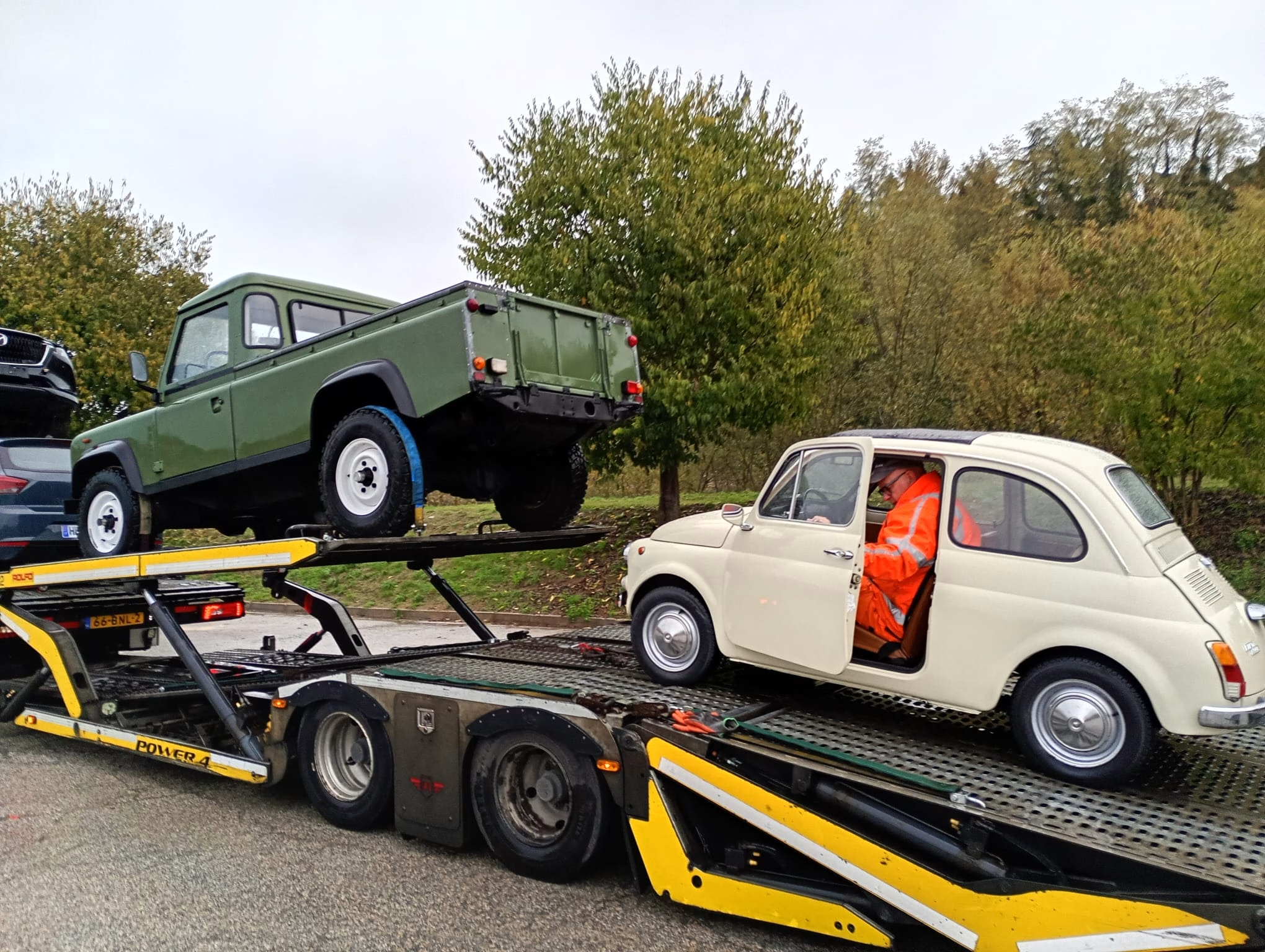
Italy is one of the best places in the world to find a classic car. The country built the Fiat 500, the Alfa Romeo Alfetta GTV and the Lancia Fulvia, and many of these cars spent their lives in a dry climate with one or two owners. For an American buyer the question is not whether the cars are there, but how to buy one safely from 5,000 miles away and get it registered at home.
This guide walks through the whole process from start to finish. Each step links to a more detailed article, so you can read the overview first and go deeper where you need to.
Step 1: Check that the car can be imported
For a car that was never sold in the US, the key number is 25. Once a vehicle is at least 25 years old, counted from its month of manufacture, it no longer has to meet US federal safety standards, and older cars are also outside the federal emissions rules. That is why a 1970 Fiat 500 or a 1985 Alfetta GTV can be imported without having to be modified to meet US safety and emissions standards. Our guide to importing a classic car from Italy to the USA explains the 25-year rule and the EPA and DOT forms in detail.
Federal approval is not the end of the story. Some states, California above all, have their own emissions rules for imported cars. If you live in one of those states, check before you buy. Our article on registering an Italian classic in California, Texas, Florida and New York covers the main differences.
Step 2: Choose the right car for your budget
Set your budget on the landed cost, not the asking price. Shipping, duty, fees and registration add a meaningful amount on top of the car itself. Then look at which models give you the most for that money: our guide to 72 Italian classic models covers what to check on each. Our sold cars page shows what real cars actually changed hands for. For the Fiat 500 in particular, see our Fiat 500 price guide.
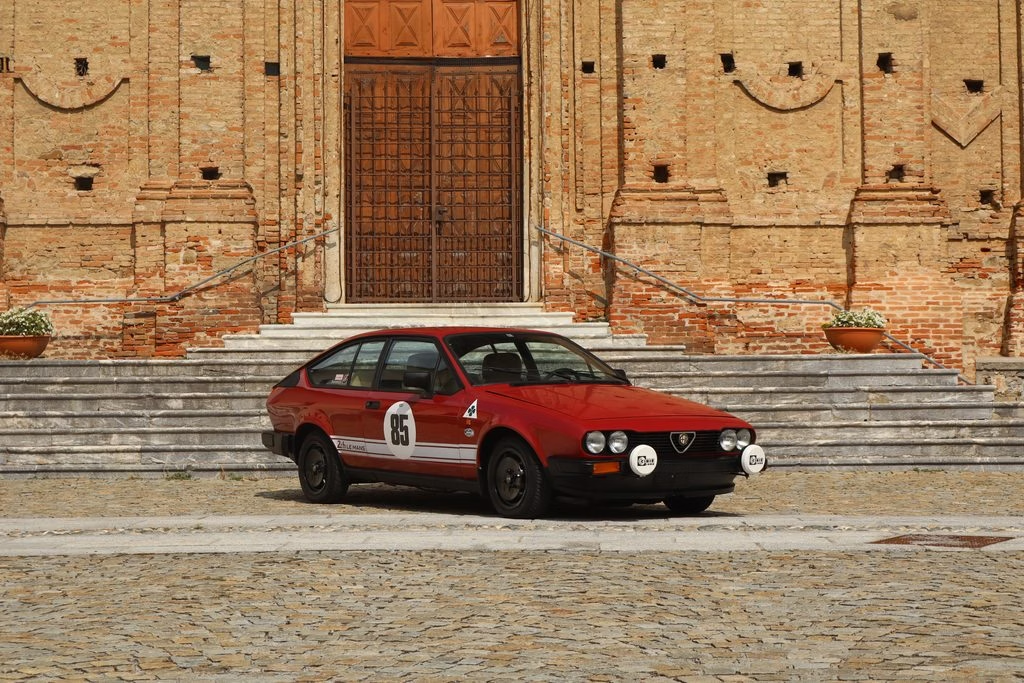
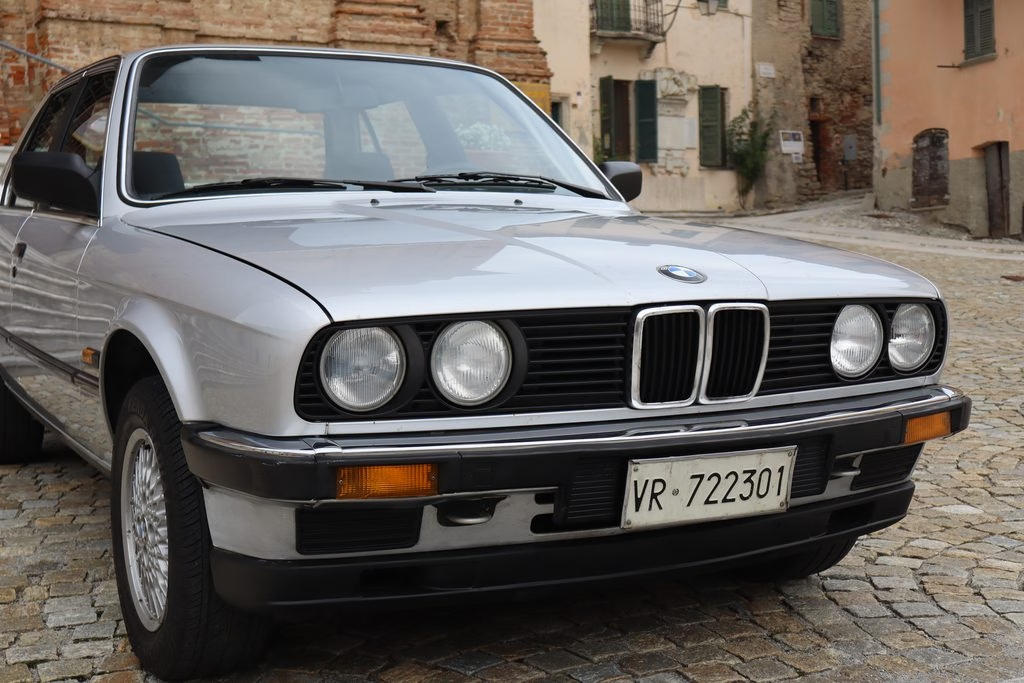
Model-specific buyer’s guides help you know what to look for before you fall in love with a set of photos: the Alfetta GTV, the Lancia Fulvia Coupé and, if you are open to German cars bought in Italy, the BMW E30 316.
Step 3: Decide how you want to buy
Most Americans buy an Italian classic in one of three ways: privately from an Italian owner, from a dealer or specialist in Italy, or through an online auction such as Bring a Trailer. Each has its trade-offs in price, protection and paperwork. A private sale can be cheaper, but the language, the documents and the export are entirely your problem. A specialist handles that side for you. An auction gives you open bidding and a public record. Our comparison of Bring a Trailer versus a dealer goes through this in detail.
Step 4: Inspect the car without flying over
You do not have to fly to Italy to buy well, but you do need to see the car properly. That means a complete photo report including the underside, a cold-start video, a live video call where you choose what to look at, and ideally an independent inspection by someone who works for you, not the seller. Our guide on how to inspect and pay for a classic car in Italy without flying over explains how to set this up.
Step 5: Pay safely
Most cross-border classic car deals are paid by international bank wire, usually in euros. The biggest risk is not the car, it is sending money to the wrong account. Verify the bank details by phone with a number you found yourself, check that the account name matches the seller, and treat any last-minute change of bank details as a red flag. The same inspection and payment guide covers escrow and the common scams.
Step 6: Export paperwork in Italy
Before a car can leave Italy, it is deregistered for export (radiazione per esportazione). This usually takes about a day once the papers are in order. If the car will be driven rather than trucked to the port, it gets EE export plates, which take around a week and are valid for 30 days. You receive the Italian ownership documents and proof of deregistration, which you will need at US Customs and at your DMV. Our guide to exporting a classic car from Italy covers each document and its cost.
Step 7: Ship the car
We no longer ship from Italian ports. Cars are first trucked from Italy to Antwerp or Zeebrugge in Belgium, or Rotterdam in the Netherlands, and cross the Atlantic from there, usually in a shared container. Sailings from these ports are faster, in our experience often by as much as a month door to door, and ocean freight is considerably cheaper. East Coast ports are the shortest route, the West Coast takes longer. Allow several weeks door to door and insure the car for its full value, because the carrier’s own liability is very limited. Read shipping a classic car from Italy to the USA for ports, timing and insurance.
Step 8: Clear US Customs
A licensed customs broker at the arrival port files the entry with US Customs and Border Protection, along with the NHTSA HS-7 and EPA 3520-1 declarations, and pays the duty and fees on your behalf. The base duty is 2.5%, but additional EU tariffs currently apply, so expect up to 10% in total and confirm with your customs broker before you commit. Our article on what it really costs to import a classic car from Italy gives a worked example with every line item.
Step 9: Title and register it in your state
With the stamped customs papers, the HS-7 and the Italian documents, you apply for a title in your state. Expect a VIN verification, and in some states an emissions check. Many states offer antique or historical plates for older cars, often with limits on how much you can drive.
A short checklist
- The car is at least 25 years old by its month of manufacture.
- Your state will register it (check California rules before buying a 1975 or newer car).
- You have a landed-cost budget, not just a purchase price.
- You have seen a full photo report including the underside, plus video.
- Bank details are verified by phone before you wire anything.
- The chassis number on the car matches the Italian papers.
- Export deregistration, shipping, insurance and a US customs broker are lined up.
How we help
Gruppo Classics is based in Ceva, Piedmont. We find and prepare Italian classics and sell them to buyers worldwide. Since August 2026 we have sold ten classic Fiat 500s, five of them to buyers in the United States, and others to the UK, the Netherlands, Austria and Monaco.
Every car gets a full photo report including the underside, plus videos, so you can judge it from home. We handle the Italian export deregistration and export plates, and arrange door-to-door shipping. New cars go to our presale list first, and then to a Bring a Trailer auction. See our cars for sale, check what is coming soon, or use our shipping calculator for a first idea of transport costs. Common questions are answered in our FAQ.
This guide is general information, not legal or tax advice. Import rules, duty rates and state requirements change. Confirm the details for your car with a licensed customs broker and your state DMV before you buy.



Leave a Reply