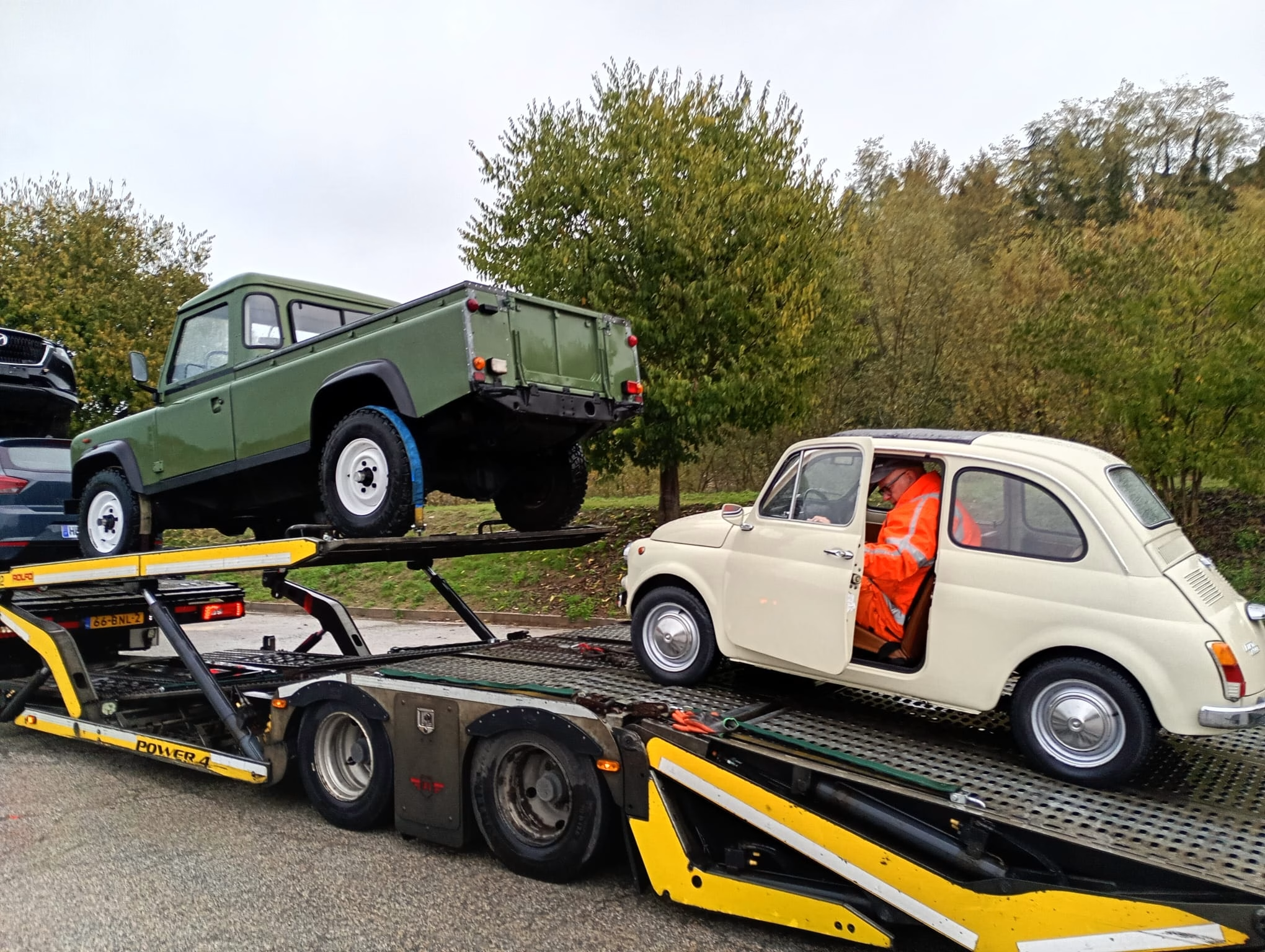
Once your Italian classic has cleared US Customs, there is one more step before you can drive it: a title and registration in your state. Federal rules decide whether a car can enter the country. State rules decide whether you can put plates on it. For most classics this is routine paperwork, but the details differ a lot from state to state, and in California they can decide whether a particular car is a sensible purchase at all.
This article covers the documents you will need everywhere, then the main points for California, Texas, Florida and New York. Rules change, and offices interpret them differently, so always confirm with your DMV or county office before you buy.
The documents you will need in every state
- Proof of customs clearance: the entry paperwork stamped or released by US Customs and Border Protection, usually CBP Form 7501. Your customs broker provides this.
- NHTSA HS-7 and EPA 3520-1, the safety and emissions declarations filed at import. Our guide to importing a classic car from Italy to the USA explains them.
- The Italian ownership documents and proof of export deregistration. US offices usually ask for originals, not copies.
- A bill of sale or invoice showing the price paid.
- An English translation of the Italian documents, if your office asks for one.
Make sure the chassis number is identical on every document and on the car. Older European cars often have chassis numbers shorter than the modern 17-character VIN. That is normal for classics, but a typo between two documents can cost you weeks. Our export guide explains which Italian documents you receive.
VIN verification
Almost every state wants someone to physically check the chassis number before it issues a title for a car from abroad. Who may do this differs: in some states a DMV employee or a licensed verifier, in others a police officer or a state inspector. Book this early, as appointments can take time.
California
California is the strictest state for imported cars, and it is the one where you should check before you buy, not after.
- Paperwork: the DMV asks for proof that the car cleared customs, such as a stamped CBP 7501, plus a VIN verification on form REG 31. According to the DMV, registration fees for a direct import must be paid within 20 days of the car entering California, after which you can get a one-time 30-day temporary permit while you complete the rest.
- Emissions for imports: a car that was not originally built to California standards falls under the California Air Resources Board (CARB) direct import rules. CARB states that 1967 and older cars are excluded. For 1975 and newer cars, CARB generally requires testing and certification, which can be expensive or impractical for a European classic. The years 1968 to 1974 sit in a grey zone. Contact CARB about your specific car before you buy.
- Smog Check: separately from the import rules, gasoline cars from model year 1975 and older are exempt from California’s Smog Check. Model year 1976 and newer need one.
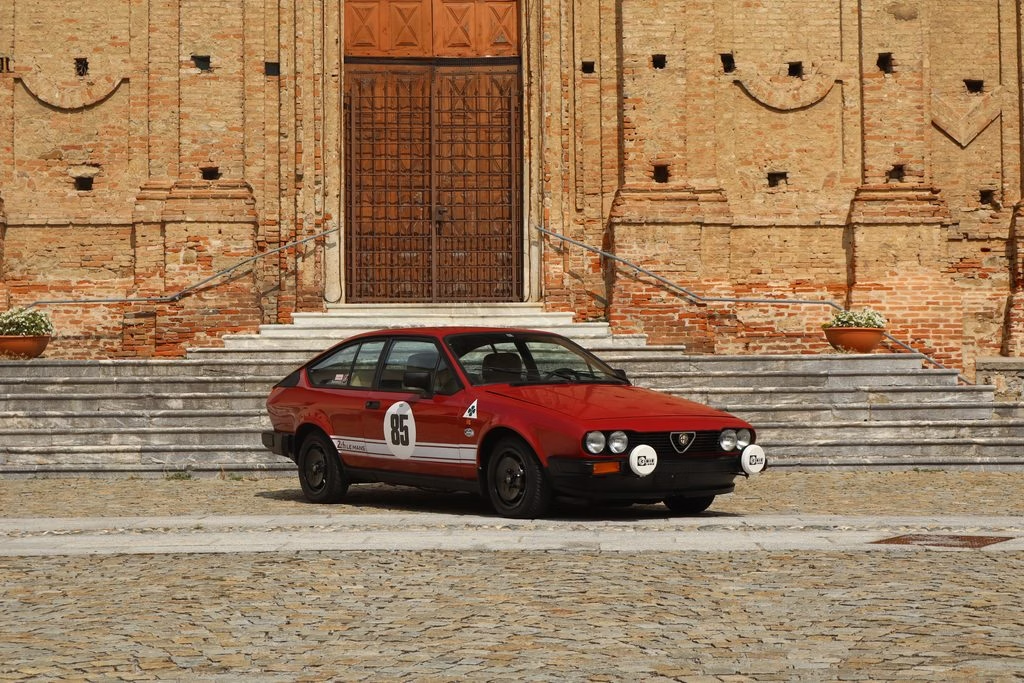
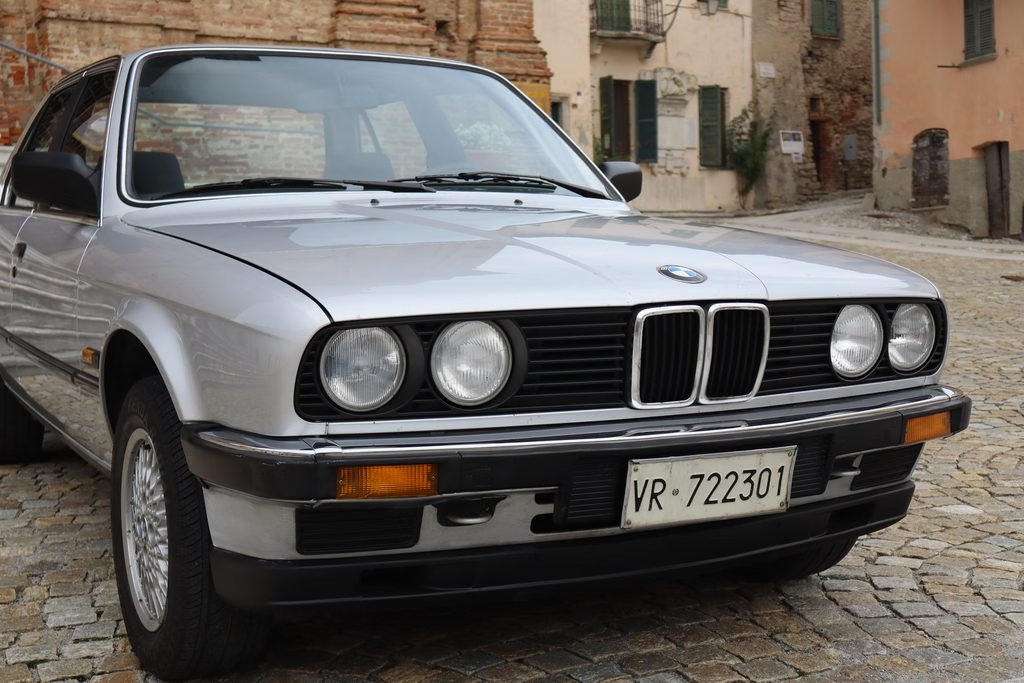
In practice this means an older Fiat 500 is usually far simpler to register in California than, say, a 1985 Alfetta GTV or BMW E30. If you live in California and love a 1980s car, talk to CARB and a California import specialist first.
Texas
- Where: you title and register at your county tax assessor-collector’s office, using Form 130-U, the customs papers and the foreign ownership documents.
- VIN inspection: for vehicles imported from another country, Texas requires a law enforcement VIN inspection on form VTR-68-A, typically done by an auto theft unit.
- Inspections: since January 1, 2025, Texas no longer requires an annual safety inspection for most non-commercial vehicles; a small replacement fee is charged at registration instead. Emissions tests apply to gasoline vehicles 2 to 24 years old in certain counties, so a car over 25 is outside that window.
- Plates: Texas offers antique plates for vehicles at least 25 years old, with restrictions on use.
Florida
- Where: titles are handled by your county tax collector.
- VIN verification: Florida uses form HSMV 82042. For vehicles coming directly from another country, several county offices say the check must be done by a state compliance examiner rather than a notary or dealer. Ask your county which applies.
- Documents: counties typically ask for the original foreign ownership document with an English translation, plus CBP 7501 and HS-7 showing the same chassis number.
- Inspections: Florida has no regular safety or emissions inspection for private cars.
- Tax: Florida charges its own sales or use tax and, according to county guidance, gives no credit for tax paid in a foreign country.
New York
- Documents: the DMV asks for the customs and import papers along with the foreign ownership documents.
- Emissions: vehicles 26 or more model years old are generally exempt from New York’s emissions inspection, but still need the annual safety inspection.
- Historical plates: available for vehicles manufactured more than 25 years before the current calendar year, used only as collector or exhibition cars, not for daily driving.
Classic, antique and historical plates
Most states offer special plates for older cars. They are often cheaper and may come with exemptions from inspections, but usually also with limits: no daily commuting, sometimes a mileage cap, or use only for shows, club events and occasional pleasure driving. Decide how you will use the car before you choose the plate, and tell your collector car insurer which one you have.
A short checklist
- Before buying: check your state’s emissions rules for the car’s model year.
- Keep originals of the Italian papers, customs entry, HS-7 and 3520-1 together.
- Check the chassis number is identical on every document.
- Book the VIN verification as soon as the car is home.
- Have a translation ready if your office wants one.
- Arrange collector insurance before the first drive.
How we help
Every car we sell leaves Italy with its paperwork in order: export deregistration done, original documents included, and the chassis number checked against the papers. Ask us for copies of the documents before the car ships, so you can show your DMV in advance what you will bring. Five of our ten Fiat 500 sales since August 2026 went to the United States; see them on our sold cars page.
For the whole process, start with buying a classic car from Italy as an American. For budgets, read what it really costs to import a classic from Italy. Then browse our cars for sale or see our FAQ.
This article is general information based on official state guidance at the time of writing, not legal advice. State rules and local office practice change. Confirm the requirements for your car with your state DMV, county office and, in California, CARB before you buy.



Leave a Reply