More of our cars go to the United States than to any other country. Importing a classic from Italy to the US sounds daunting, but for cars over 25 years old it follows a clear path: the right papers in Italy, the right forms at the US border, and a shipper who knows the route. This guide walks through it the way we handle it for every car that crosses the Atlantic.
1. The 25-year rule
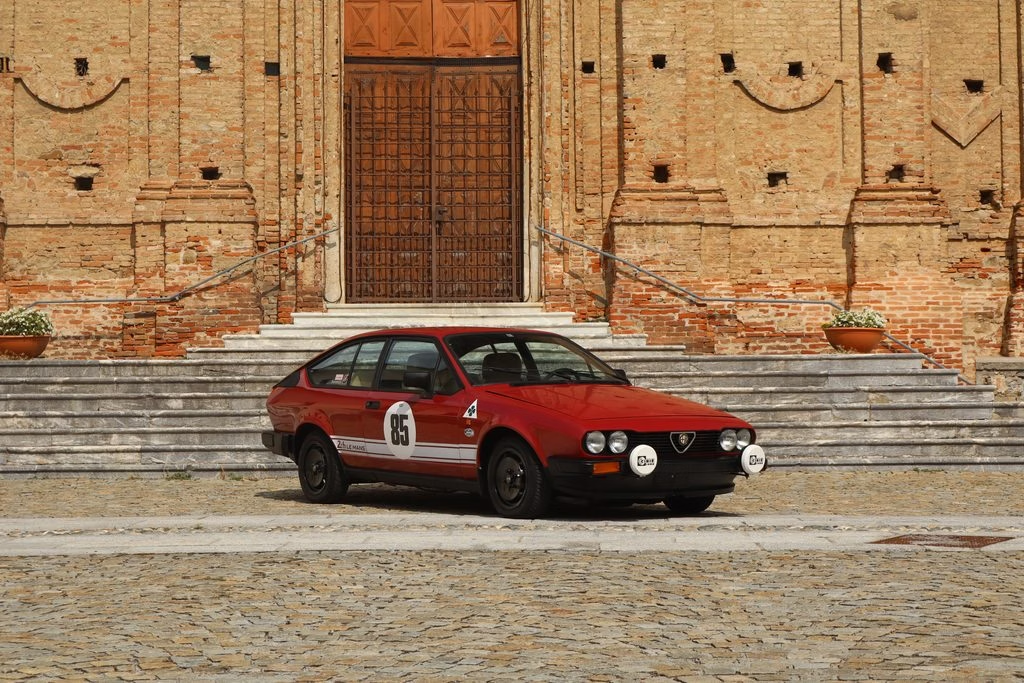
A car that was never sold in the US does not have to meet US safety (FMVSS) and emissions standards once it is at least 25 years old, counted from its month of manufacture. That is why almost every European classic, from a Fiat 500 to an Alfetta GTV, can be imported without any modification. Check the build date on the papers before you buy: a car that is a few months short of 25 years cannot be imported as a classic yet.
2. Papers in Italy
Before the car leaves Italy it is deregistered for export (radiazione per esportazione), and you receive the Italian registration and ownership documents together with the proof of deregistration. These, with the bill of sale, are what US Customs and your state DMV will ask for. Our guide to exporting a classic car from Italy explains each document, and our Italy buyer’s guide covers what to check before you commit.
3. Shipping across the Atlantic
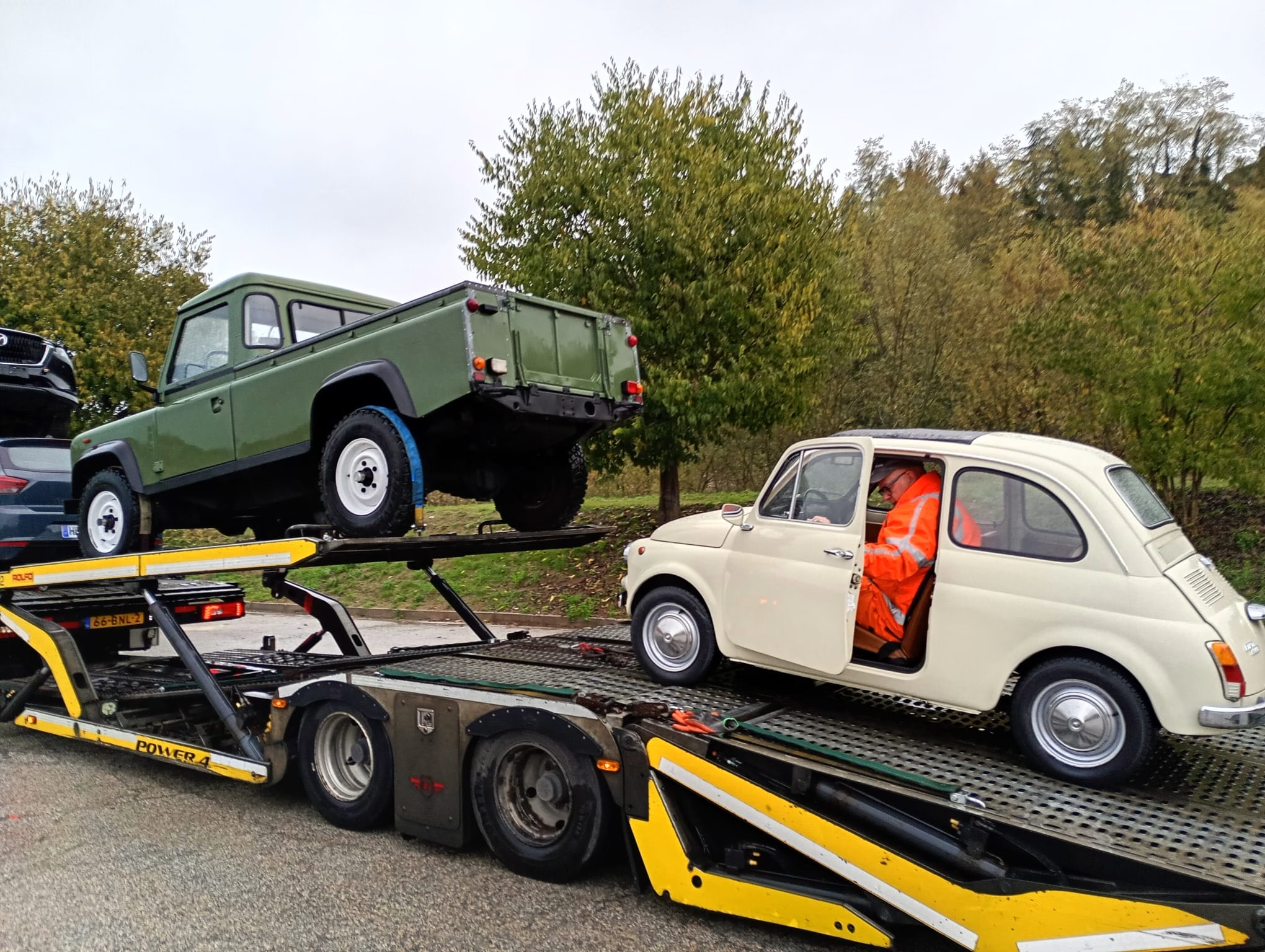
Cars leave from Italian ports in a shared or private container, or by roll-on/roll-off ship. A container is the safer choice for a classic. We arrange collection from Ceva, the export paperwork and the booking with the shipper, and the car travels with its documents.
4. US Customs and the import forms
At the US port the car is cleared by US Customs and Border Protection (CBP). For a classic over 25 years old this means two declarations: the NHTSA HS-7, ticking the box for vehicles at least 25 years old, and the EPA 3520-1 for the emissions exemption. You pay the import duty on the purchase price. Most buyers use a customs broker at the arrival port, who files the forms and handles the payment.
5. Title and registration in your state
With the stamped customs entry, the HS-7 and the Italian documents, you title and register the car at your state DMV. Rules differ by state; some ask for a VIN inspection first, and many offer classic or historic plates for older cars.
Several of our Fiat 500s now live in the United States, from a 500 R Olio Fiat racing tribute to a custom-built 500L made to a client’s order. See them on our sold cars page, or see which Fiat 500s we sold and what they went for.
Looking for a classic from Italy? See our cars for sale or get in touch.