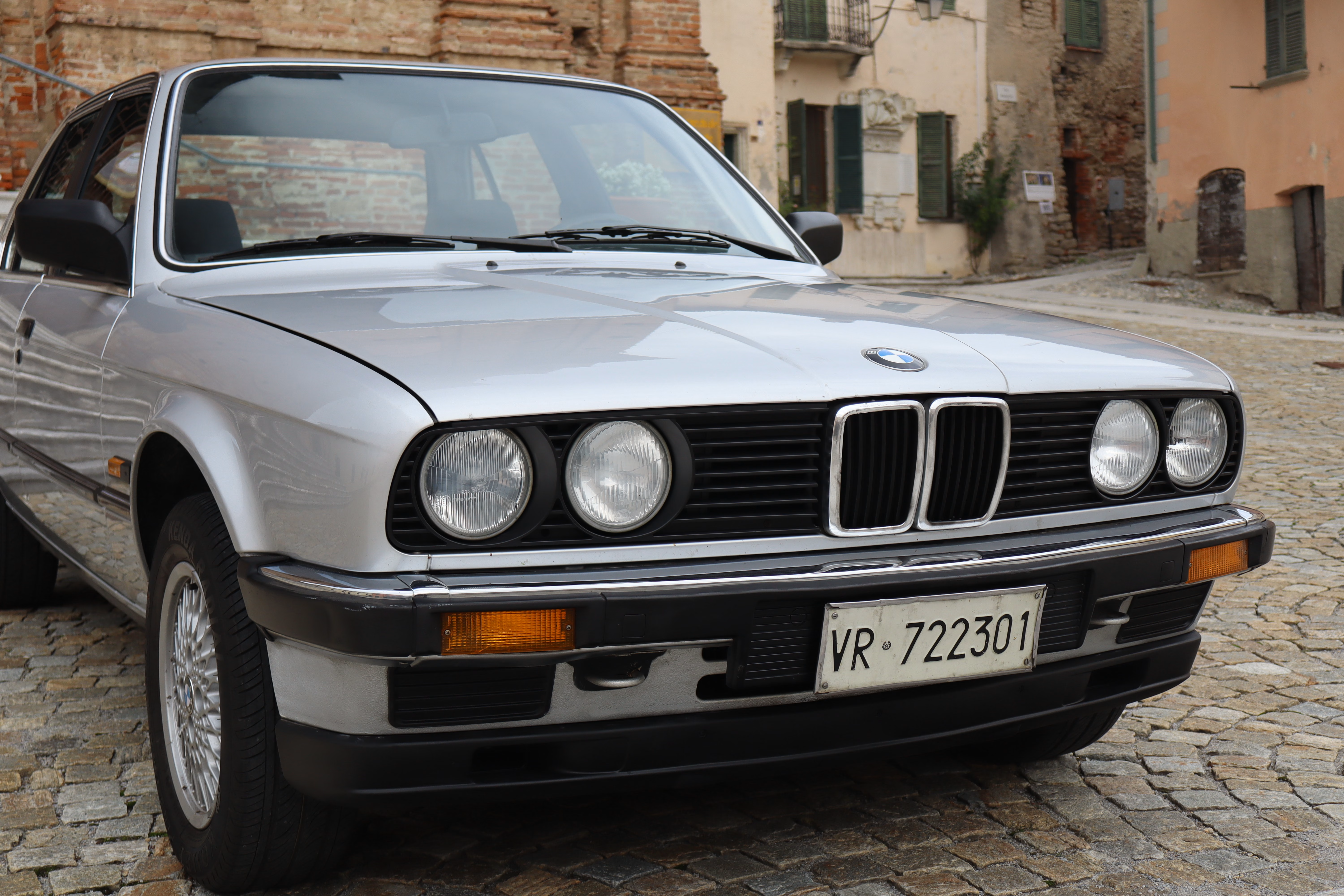
Everyone wants an E30 M3, and the prices show it. But the car that made the E30 one of the most loved BMWs ever is the ordinary one: a compact, rear-wheel-drive saloon that steers beautifully and is simple enough to look after yourself. The 316 is the entry point to that world, and in our view one of the smartest ways into classic BMW ownership today.
Why the 316 makes sense
The 316 has the same body, the same rear-wheel-drive chassis and the same timeless shape as the more famous six-cylinder E30s. It is lighter at the front, simpler under the bonnet and cheaper to buy, insure and run. You will not win a drag race, but on a winding road a good 316 with a manual gearbox is a pure pleasure, and that is what most owners actually do with their cars.
Originality is the value
Many E30s were modified over the years: lowered, fitted with big wheels, converted to other engines. That makes an unmodified car increasingly rare and increasingly sought after. When you look at a 316, check that the interior, wheels and bodywork match the original specification, and ask for the service history. Few owners and a documented life are worth more than any upgrade.
What to check
- Rust. The sills and jacking points, the bottoms of the front wings, the rear wheel arches and the floor of the boot. Look under the car, not just at the paint.
- Cooling. Check the radiator, hoses and expansion tank. A well-maintained cooling system keeps the engine happy for a very long time.
- Gearbox and clutch. Smooth changes in every gear and no slipping clutch. The manual gearbox is what makes a 316 fun.
- Suspension. Worn bushes make an E30 feel loose. Fresh bushes and shock absorbers bring back the sharp steering it is famous for.
Our 316
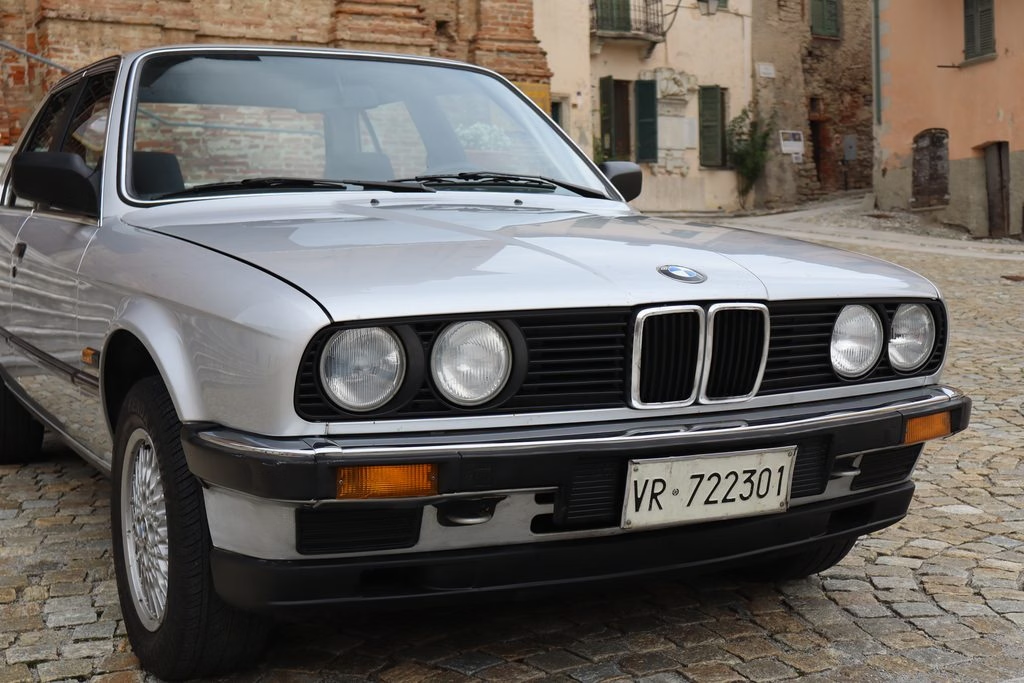
We currently have a 1985 BMW E30 316 for sale: rust-free, 154,000 km, three owners from new, a five-speed manual gearbox and close to original specification. It is exactly the kind of E30 that is getting harder to find. Have a look at the full photo report, underside included, and ask us for the price.