Bring a Trailer puts your car in front of collectors who will never stand next to it. Here is what it costs, how to prepare a classic in Europe for it, and what makes strangers trust a listing enough to bid.
A classic car auction used to mean a hall, a catalogue and a hammer. On Bring a Trailer it means days of photographs, questions and strangers going through your car’s paperwork in public. That sounds intimidating, and it is exactly why it works.
We sell cars there from Ceva, in the hills of Piedmont, and you can see them on our Bring a Trailer seller profile. This is what we would tell anyone in Europe thinking of doing the same.
How Bring a Trailer works
You submit the car through an online form, choosing a service level and supplying its specification, history, condition and some first photographs. Not every car is accepted: the team reviews each submission. If yours is taken on, the listing is prepared, published and the auction typically runs for seven days.
When it ends, Bring a Trailer puts the winner and the seller in touch. The buyer’s fee goes to Bring a Trailer, while the money for the car goes to the seller.
What it costs
| Fee | Who pays | Amount |
|---|---|---|
| Listing fee | Seller | In our experience around 100, in whichever currency you list |
| Buyer’s fee | Buyer | 5% of the winning bid, minimum $250, maximum $7,500 |
Higher service levels with extra help cost more, and fees change, so check the current figures with Bring a Trailer before you submit. Budget separately for what the auction does not cover, like preparation, photography and any work the car needs first.
Why a European car can do well there
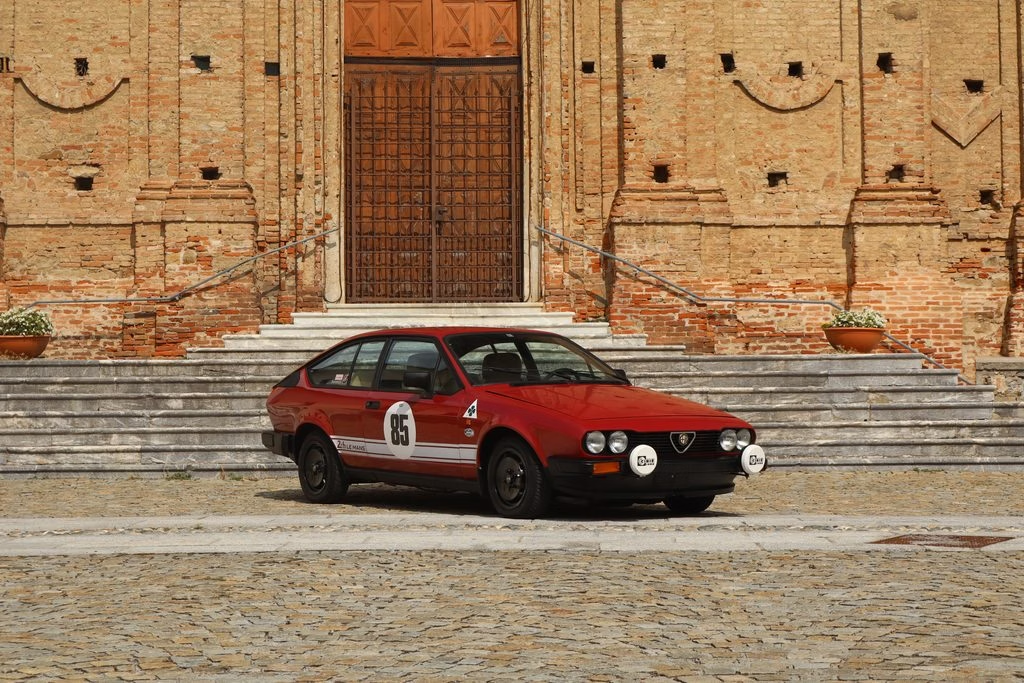
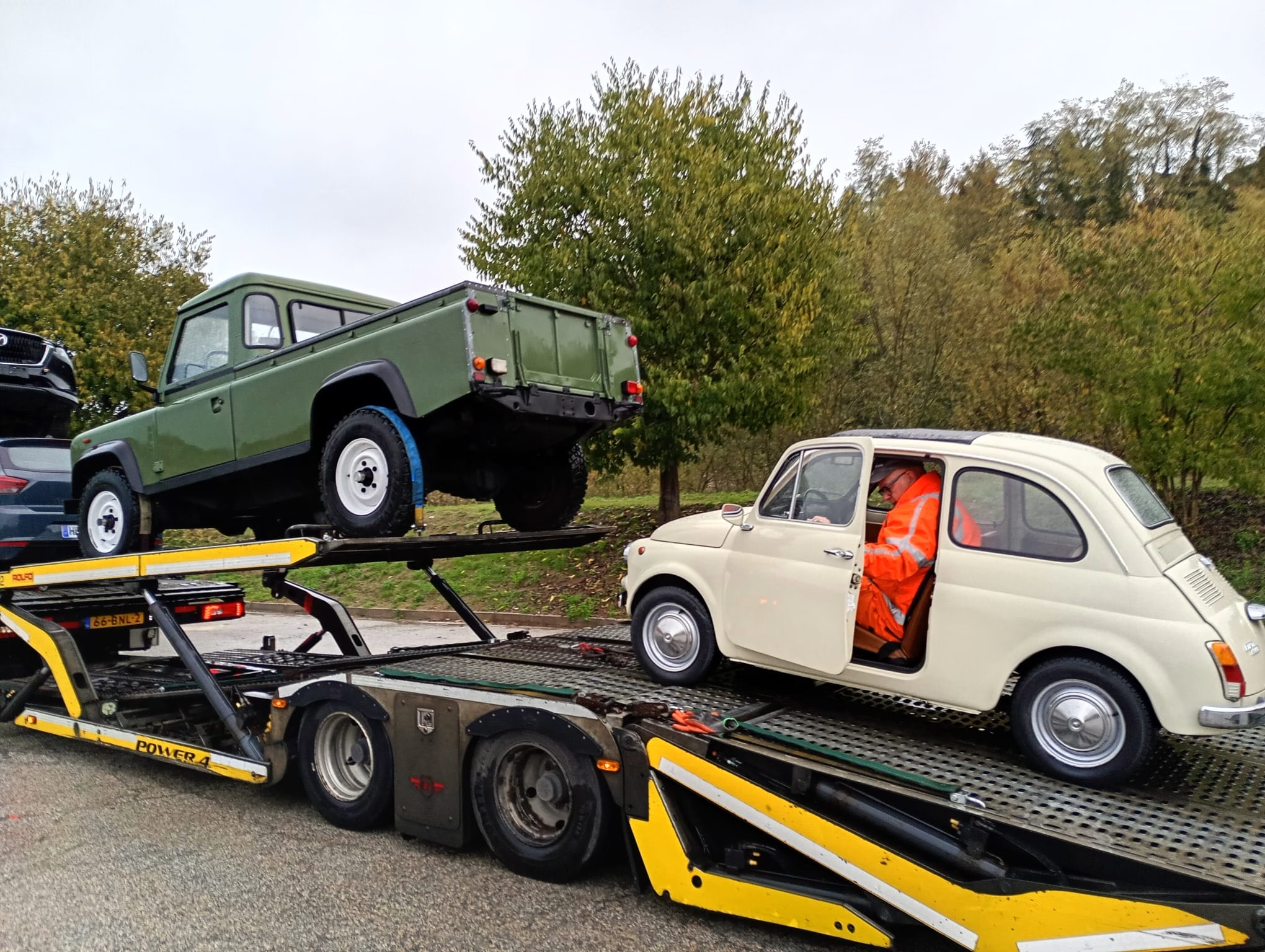
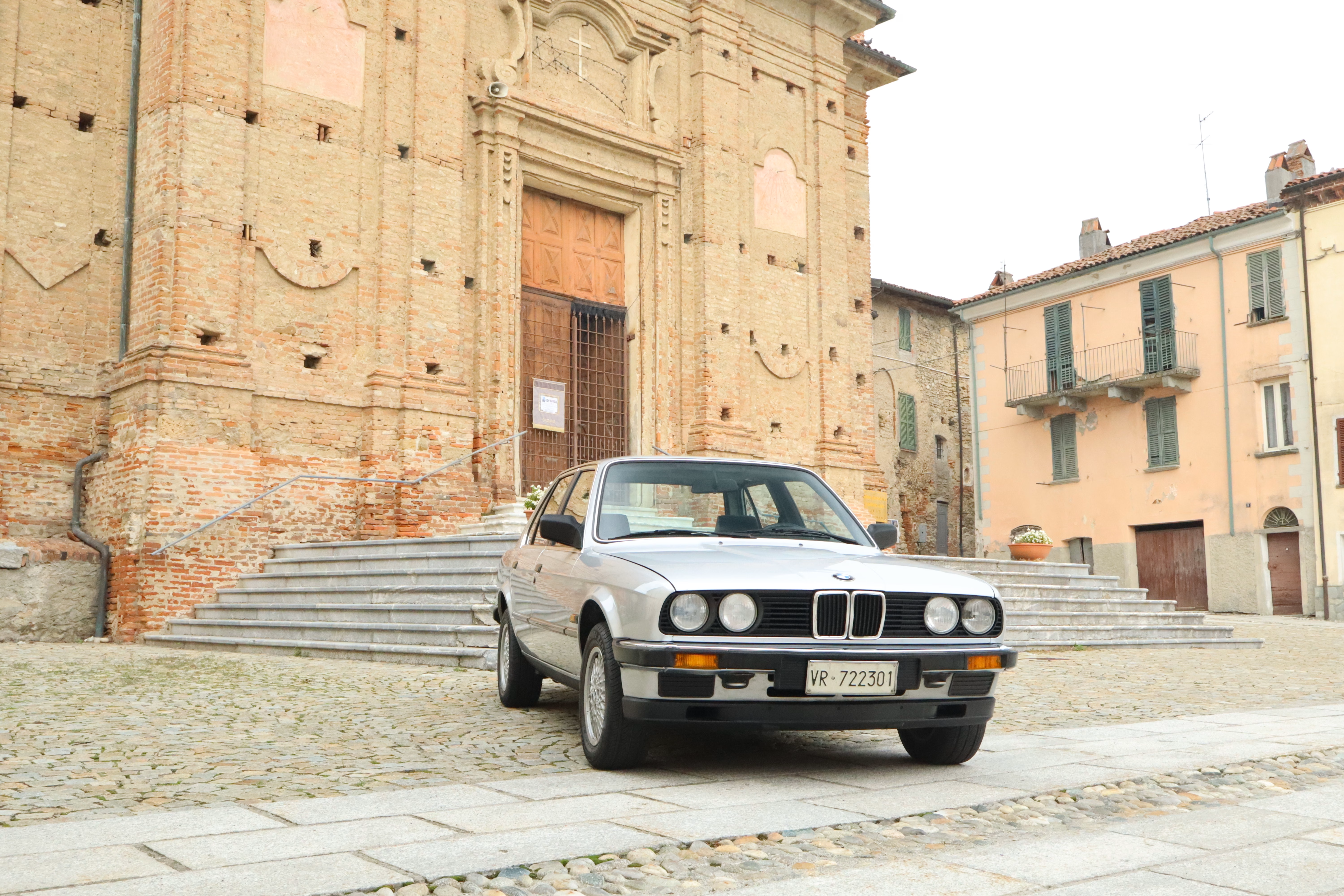
A dry Italian car with a clear history is an easy thing to get excited about, wherever the bidder lives. Sold cars on our list have gone to the United States, the United Kingdom, Austria, Monaco and the Netherlands. Distance is not the obstacle people expect, provided the buyer knows how the car gets home. We have set out the whole route in our guide to exporting a classic car from Italy, including the 25-year rule for the US.
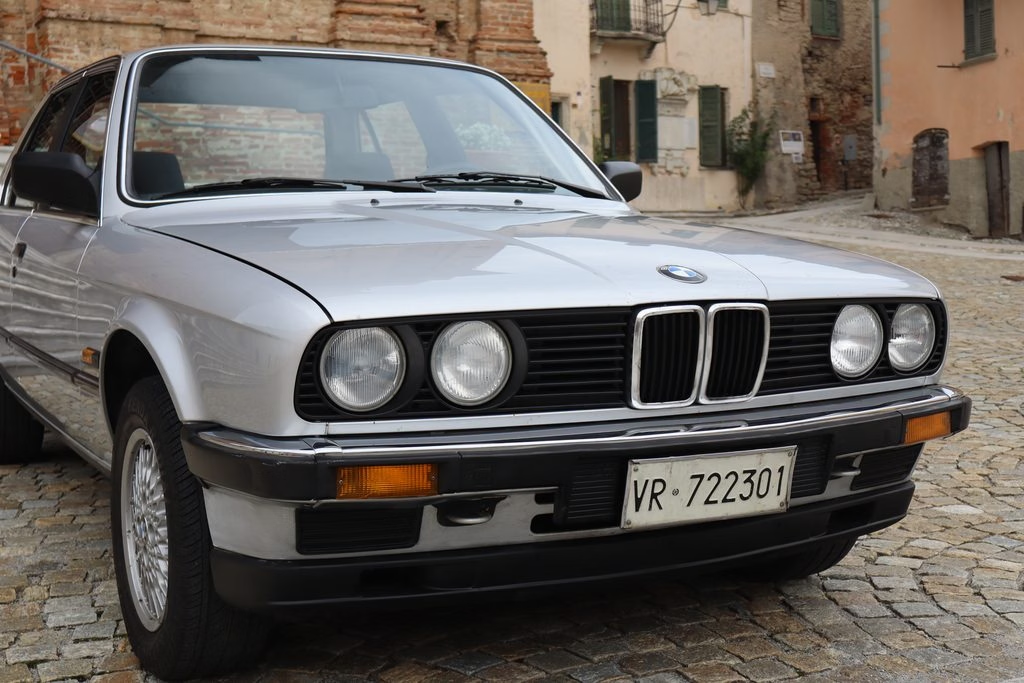
Paperwork helps as well. A European car with a proper history file gives a bidder on another continent something solid to hold on to, and Italian certification in particular carries real weight. Our guide to ASI certification and the Targa Oro explains why.
What makes a listing work
Photographs that hide nothing. Bidders buy with their eyes, so show more than the flattering angles. Our own listings regularly run past 50 photographs, because the underside, the door bottoms, the boot floor and the worn bits are what serious people are looking for.
Video with sound. A cold start, an idle and a short drive answer questions that photographs cannot. Nobody needs a film. They need to hear the engine.
The story, in order. Who bought it, where it lived, who looked after it and what was done. Dates and names beat adjectives every time.
Every document, every page. Registration papers, service invoices, restoration bills and certificates. If it exists, scan it.
The flaws, stated first. Bidders will find them anyway, usually in front of everyone. A straight description earns more trust than a perfect one. Our Morris Minor listing says plainly that the car has rust, and that is exactly why you believe the rest of it.
Setting a reserve
A reserve is the price below which you are not obliged to sell. It protects you, but set it too high and you will watch a good auction end with no sale and a public record of it. Look at what comparable cars actually sold for, not what they were advertised at, and be honest about your car’s condition. Our own results are in the table in our Fiat 500 buying guide.
During the auction
The comments are the auction. People ask about the chassis number, the repaint and the odd noise in the video, and everyone else reads how you answer. Reply quickly, reply honestly, and if you do not know something, say so and go and find out. Silence costs money.
When the auction ends
- Speak to the buyer directly and agree payment and collection
- Have the documents ready to hand over
- Arrange deregistration if the car is leaving the country
- Book transport early, because a car sitting after the sale helps nobody
Do it yourself, or let someone do it for you?
If you enjoy this sort of thing and have the time, there is nothing stopping you. But a good listing is a lot of work, and the week of the auction is a job in itself. It also helps to have done it before.
That is why we offer it as a service. We take care of the photographs, the story, the listing and the auction itself. Read more about selling your classic through us.
Frequently asked questions
How long does a Bring a Trailer auction last? Typically seven days.
Who pays the fees on Bring a Trailer? The seller pays a listing fee. The buyer pays a fee of 5% of the winning bid, with a minimum of $250 and a maximum of $7,500.
Can you sell on Bring a Trailer from Europe? Yes. We do it from Italy, and Bring a Trailer has also launched in the UK. Whether a particular car qualifies is decided when it is submitted.
Does Bring a Trailer accept every car? No. Each submission is reviewed first.
We are in Ceva, Piedmont. If you have a classic worth selling, tell us about it.