
a short automotive essay on the Fiat Barchetta
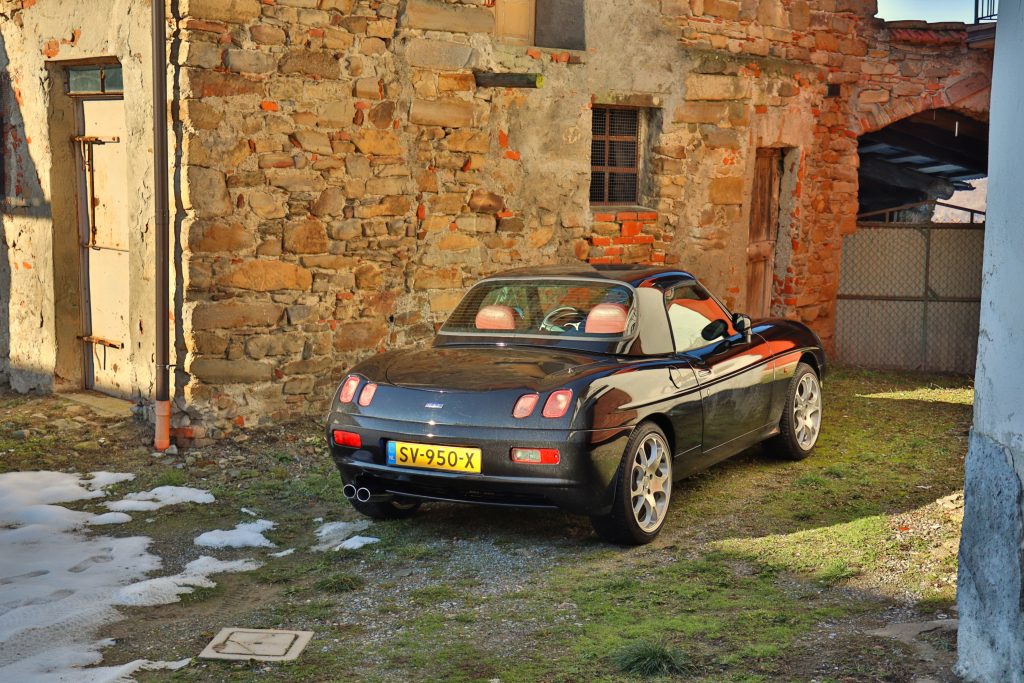
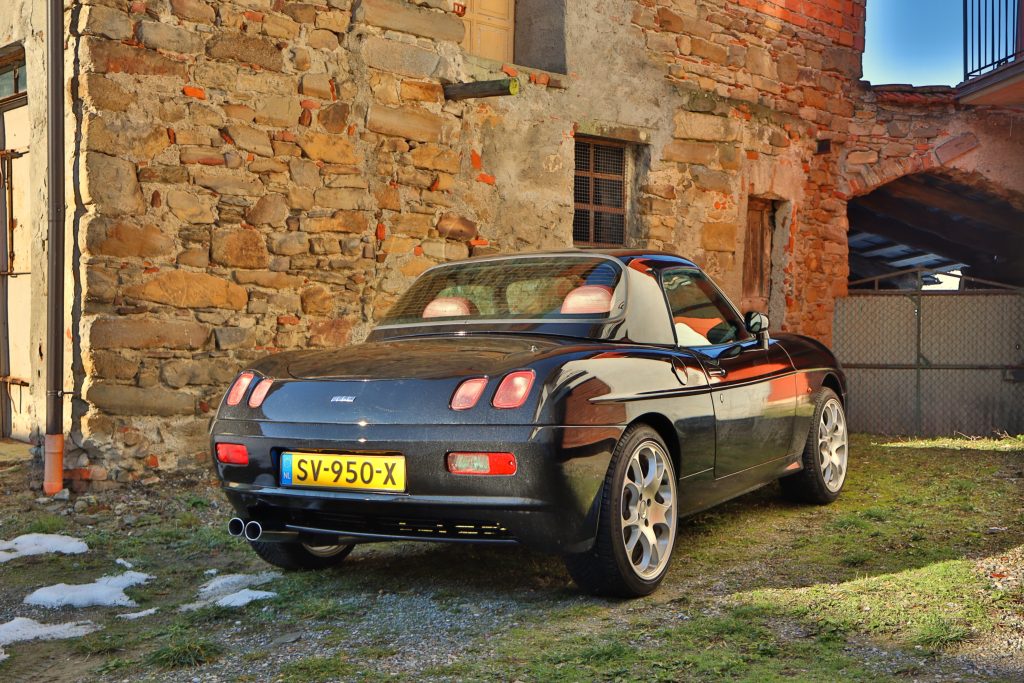
This is my take on the fiat barchetta, why because i absolutely love it.
There are cars that attempt to impress you with numbers. Power figures, lap times, zero-to-sixty statistics delivered with the emotional warmth of a spreadsheet. And then there are cars like the Fiat Barchetta, which couldn’t care less about any of that and are infinitely better for it.
At first glance, the Barchetta looks almost apologetic. Small, low, softly styled in that very Italian way where nobody was particularly worried about aerodynamics so long as it looked right parked outside a café. It has no roof worth speaking of, no rear seats, and absolutely no interest in practicality. This is not an oversight. It is the entire point.
This particular car, however, we have quietly improved. the engine output 145 bhp and 181 Nm of torque. These numbers won’t terrify supercars, but in something this light, they matter. The engine now feels keener, more responsive, and noticeably more confident in the mid-range, without losing the naturally aspirated character that defines the car.
The steering remains the Barchetta’s greatest strength. Light, direct, and unfiltered in a way that would make modern safety regulators uncomfortable. It communicates constantly, honestly, and without interference. You don’t drive it so much as negotiate with it, and when you get it right, it feels quietly exceptional.
Is it fast? Still, not really. Is it refined? Certainly not. The interior plastics remain thin, the build quality optimistic, and corrosion is best described as a long-term relationship rather than a risk. But these are not flaws so much as context.
The Barchetta comes from a time when small sports cars were allowed to be frivolous. When enjoyment was created through balance and engagement rather than software and excess power. And that makes it a real driver car
Geef een reactie